The Ultimate Guide to Modern Audio Video Installation for Businesses
March 13, 2026
In today’s fast-paced corporate environment, the quality of audio and video systems can make or break a business’s professional image. Whether hosting board meetings, client presentations, or virtual conferences, clear communication and seamless visual displays are no longer optional—they are essential. Modern businesses rely on advanced audio-video (AV) solutions to engage audiences, streamline operations, and create memorable experiences that foster stronger relationships and enhanced productivity. An outdated AV setup can lead to missed opportunities, technical glitches, and diminished credibility, making the investment in modern installation solutions more critical than ever.
Implementing a robust AV system involves more than just purchasing high-end equipment. It requires careful planning, understanding specific business needs, integrating compatible technologies, and leveraging the expertise of professional installers. From conference rooms and collaborative workspaces to retail environments and event venues, each setting presents unique challenges and opportunities. This comprehensive guide delves into the latest trends, best practices, and practical insights for modern audio-video installation in business settings, helping decision-makers design systems that are efficient, scalable, and future-ready. By the end, readers will gain a clear understanding of how to optimize AV systems to enhance communication, productivity, and overall business performance.
1. Assessing Business Needs for AV Systems
Understanding Your Business Environment
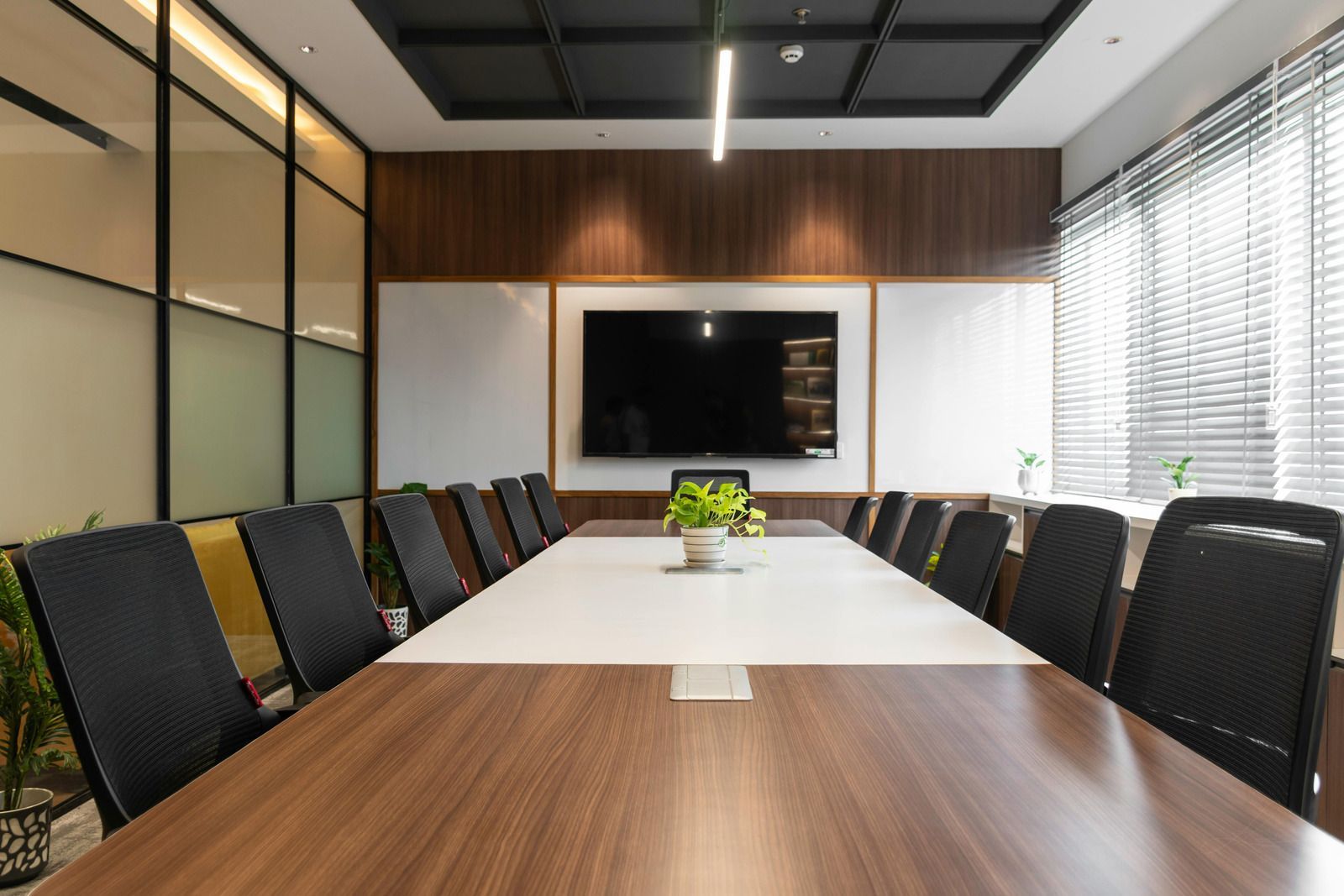
Before investing in audio and video technology, businesses must analyze their operational environment. Factors such as room size, acoustics, lighting conditions, and typical audience sizes significantly impact system design. For example, a large boardroom requires speakers and microphones capable of delivering clear sound to all participants, while an open-concept workspace benefits more from distributed audio solutions and directional speakers to avoid disturbances. Assessing the physical environment ensures that the AV system aligns with the functional requirements of the space.
Defining Use Cases and Objectives
Different businesses have varying objectives for their AV systems. Retail stores may prioritize interactive displays to enhance customer engagement, whereas corporate offices focus on conference room functionality and virtual meeting capabilities. Identifying use cases early—like digital signage, training rooms, or hybrid collaboration spaces—helps define system specifications and prevents over- or under-investment. A clear understanding of objectives ensures that the installation provides tangible business value.
Budget Planning and ROI
Budgeting for modern AV systems is a critical step in the planning phase. While high-end solutions may provide premium performance, it’s essential to balance cost with expected returns. Businesses should consider factors like improved productivity, enhanced client experience, and reduced technical disruptions as part of the ROI equation. Proper budget allocation allows for purchasing equipment that meets current needs while remaining scalable for future technological upgrades.
2. Choosing the Right Audio Equipment
Speakers and Sound Systems
High-quality audio begins with carefully selected speakers and sound systems. Ceiling-mounted speakers, wall speakers, and portable units each serve specific purposes. For instance, distributed ceiling speakers provide consistent sound coverage in open areas, while directional speakers work best in targeted zones like meeting rooms. Sound clarity and volume control are essential for maintaining a professional environment without causing distractions.
Microphones and Voice Capture
Microphones are critical for ensuring that every participant is heard clearly. Modern installations often use a combination of boundary microphones, tabletop units, and wireless lapel or headset microphones. Advanced solutions incorporate echo cancellation, noise reduction, and automatic gain control, particularly important for virtual meetings or hybrid setups. Choosing the right microphone system reduces feedback, ensures intelligibility, and enhances overall meeting quality.
Audio Processing and Amplification
Audio processing technology, including digital signal processors (DSPs) and amplifiers, ensures that sound is balanced and tailored to the space. DSPs allow customization of audio frequencies, enabling clear voice projection without overpowering background music or environmental noise. Amplification systems should be matched to speaker specifications to avoid distortion and maintain consistent audio levels across all areas. Proper audio processing guarantees a polished, professional sound experience for employees, clients, and guests.
3. Selecting Advanced Video Solutions
Displays and Projectors
The choice between LED screens, LCD panels, and projectors depends on room size, viewing distance, and usage scenarios. LED video walls are ideal for large-scale digital signage or event spaces, while high-resolution LCD panels are well-suited for conference rooms. Projectors remain relevant for flexible setups where screen size needs vary. Ensuring optimal brightness, contrast, and resolution improves visual clarity, even in well-lit environments, enhancing presentations and content delivery.
Video Conferencing Technology
Hybrid work models have made video conferencing indispensable. Selecting cameras with pan-tilt-zoom capabilities, high-definition sensors, and integrated tracking ensures that remote participants experience clear visuals. Advanced systems can automatically frame speakers, adjust lighting, and integrate with collaboration platforms such as Zoom, Microsoft Teams, or Google Meet. Investing in reliable conferencing technology supports seamless communication and strengthens collaboration across geographically dispersed teams.
Content Management and Signal Distribution
Modern businesses often require the distribution of video content across multiple displays. Matrix switchers, signal extenders, and video-over-IP solutions allow centralized control of content for training, presentations, or marketing purposes. Proper signal management ensures consistent image quality and minimal latency, allowing businesses to deliver professional-grade presentations to internal teams or customers without interruptions.
4. Integrating Smart Control and Automation
Centralized AV Control Systems
A centralized control system simplifies the management of complex AV installations. Touch panels, mobile apps, or wall-mounted controllers enable staff to manage audio, video, lighting, and environmental controls from a single interface. This eliminates the need for multiple remote devices, reducing errors and improving operational efficiency. Centralized control is particularly valuable in large organizations with multiple conference rooms or event spaces.
Automation for Convenience and Efficiency
Automation features streamline repetitive tasks, such as adjusting lighting for presentations, powering on/off displays, or switching audio sources. Automated scheduling can pre-configure AV systems for recurring meetings, ensuring a smooth start without manual setup. These features not only save time but also prevent user errors, reducing technical support calls and increasing system reliability.
Integration with Building Systems
Modern AV installations often integrate with other building systems, including HVAC, lighting, and security. This interconnected approach allows for energy-efficient operation, coordinated environmental adjustments, and enhanced user comfort. For example, the system can dim lights automatically when a video presentation begins or adjust volume levels based on occupancy. Integration enhances the overall experience while demonstrating technological sophistication.
5. Best Practices for Installation and Maintenance
Professional Installation Standards
Hiring experienced AV professionals ensures that equipment is installed according to industry standards. Proper mounting, wiring, and calibration prevent common issues like signal loss, audio feedback, or screen glare. Professionals also consider cable management, accessibility, and safety compliance, creating a clean, organized, and durable installation.
Regular Maintenance and System Updates
Routine maintenance prolongs system lifespan and ensures consistent performance. Cleaning equipment, updating firmware, and testing connections prevent unexpected failures. Businesses should establish maintenance schedules based on usage intensity and environmental factors. Preventative care reduces downtime, improves reliability, and protects the investment in advanced AV equipment.
Training and User Adoption
Even the most advanced AV system is ineffective if staff are not trained to use it efficiently. Providing comprehensive training and user manuals empowers employees to operate systems confidently. This increases adoption, reduces technical support requests, and maximizes the return on investment by ensuring that all system features are utilized effectively.
6. Overcoming Common Challenges
Addressing Acoustic Issues
Acoustic challenges such as echo, reverberation, or background noise can compromise communication. Employing sound-absorbing materials, directional microphones, and calibrated audio processors mitigates these issues. Acoustic analysis during the design phase is essential to create an environment where speech is intelligible, and audio quality remains high.
Managing Network and Connectivity
AV systems increasingly rely on network infrastructure for streaming, video conferencing, and signal distribution. Ensuring sufficient bandwidth, secure connections, and network redundancy prevents disruptions and latency issues. Businesses must work with IT teams to integrate AV systems seamlessly with existing network resources while safeguarding against security vulnerabilities.
Balancing Cost and Technology
Investing in modern AV solutions requires careful balance between cost and technological sophistication. Over-specifying equipment can lead to unnecessary expenses, while under-specifying may limit functionality and scalability. A thorough assessment of business needs, combined with expert guidance, helps achieve a solution that delivers high performance without exceeding budget constraints.
Trusted Specialists Maximizing Corporate AV Performance
Modern audio-video installation has evolved into a cornerstone of business communication and operational efficiency. From high-quality speakers and microphones to advanced video displays, conferencing technology, and centralized control systems, every component plays a vital role in delivering a seamless experience. Businesses that invest in thoughtfully designed AV solutions enjoy improved collaboration, enhanced client engagement, and increased productivity, while avoiding the pitfalls of technical disruptions and outdated technology. Integrating automation, professional installation, and routine maintenance ensures that AV systems remain reliable, scalable, and future-ready.
For businesses seeking expert guidance and professional implementation, Audio Video Exclusives
in Seattle, WA, brings over 35
years of experience delivering customized AV solutions. Our team specializes in designing, installing, and maintaining systems tailored to each client’s unique needs, combining industry-leading technology with a commitment to excellence. With decades of trusted service, we ensure that every installation enhances communication, supports collaboration, and elevates business performance, making your investment in modern audio-video technology truly worthwhile. We work closely with clients from concept to completion, providing hands-on support, personalized recommendations, and training to maximize system utilization. Our focus on quality, reliability, and innovation ensures your AV infrastructure not only meets today’s demands but remains adaptable for the future.