The Role of AV Consulting in Creating Seamless Business Technology Solutions
February 10, 2026
In today’s rapidly evolving business environment, technology plays a critical role in shaping operational efficiency, collaboration, and overall productivity. Organizations are increasingly investing in advanced audio-visual (AV) systems to support virtual meetings, hybrid work models, training programs, and interactive presentations. However, implementing AV solutions without a strategic approach can lead to integration challenges, poor user experiences, and underutilized technology. This is where AV consulting becomes indispensable. AV consultants provide expert guidance to ensure that technology aligns seamlessly with business goals, enhances communication, and drives measurable results.
AV consulting involves much more than selecting equipment—it encompasses planning, design, integration, and ongoing support. By evaluating existing infrastructure, understanding organizational needs, and recommending tailored solutions, AV consultants enable businesses to deploy technology that works intuitively and efficiently. From conference rooms to large-scale auditoriums, the role of AV consulting ensures that technology becomes an enabler rather than a barrier. In an era where communication, collaboration, and innovation are critical for success, leveraging AV consulting is no longer optional—it is a strategic investment in operational excellence and future-proof business growth.
1. Understanding AV Consulting and Its Business Impact
What AV Consulting Entails
AV consulting is the professional service of analyzing, designing, and implementing audio-visual technology solutions to meet specific business objectives. Consultants assess the current environment, identify technological gaps, and develop a roadmap for integrating AV systems into existing workflows. This process may involve evaluating conferencing solutions, digital signage, collaborative tools, and control systems that enhance productivity across departments.
Business Value of Professional Guidance
Without proper guidance, businesses risk investing in technology that is either incompatible with existing systems or underutilized by staff. AV consulting ensures investments deliver value by focusing on scalability, usability, and long-term ROI. For example, a company adopting a hybrid work model can leverage AV consulting to create fully integrated meeting spaces that accommodate both in-person and remote participants seamlessly, fostering collaboration and minimizing downtime.
2. Strategic Planning and Needs Assessment
Evaluating Organizational Goals
A successful AV deployment begins with understanding business objectives. Consultants work closely with stakeholders to identify goals such as improving remote collaboration, enhancing training programs, or creating immersive customer experiences. By aligning technology with these objectives, organizations avoid unnecessary expenditures and implement solutions that directly contribute to business outcomes.
Conducting a Comprehensive Needs Assessment
AV consultants perform detailed assessments of existing infrastructure, including network capabilities, room acoustics, display requirements, and system interoperability. This step ensures that any proposed solution addresses current limitations while remaining flexible for future expansion. For instance, a multinational corporation planning to standardize conference rooms across global offices can rely on AV consulting to recommend equipment that meets diverse regional needs while maintaining uniform user experience.
Case Example: Hybrid Conference Room Design
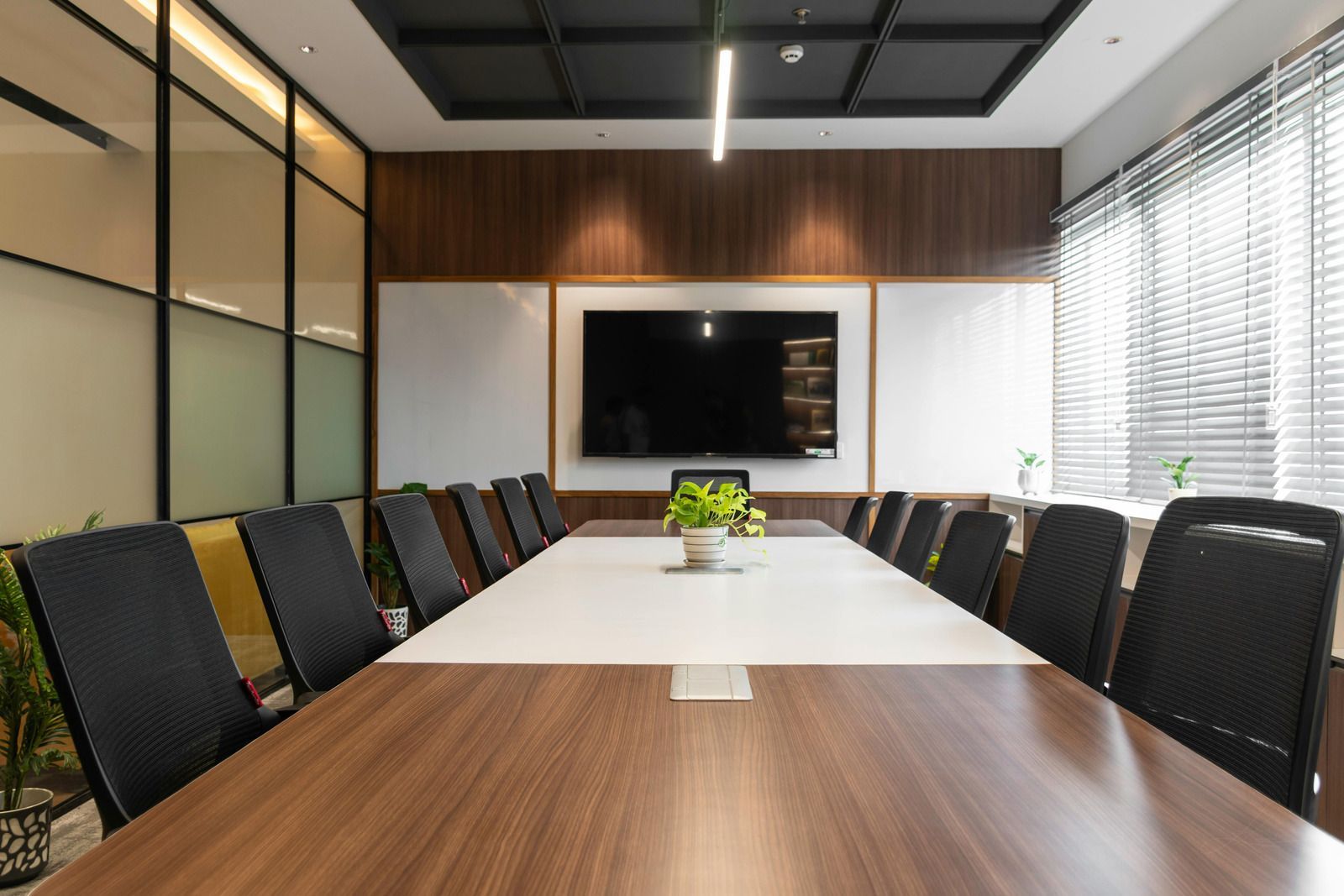
Consider a mid-sized firm seeking to improve virtual meetings. An AV consultant would evaluate room acoustics, microphone placement, camera angles, and integration with collaboration software. The result is a seamless hybrid meeting environment where remote participants experience audio and video clarity comparable to in-person attendees.
3. System Design and Integration
Designing for Functionality and Experience
Effective AV consulting emphasizes designing systems that prioritize both functionality and user experience. Consultants select equipment and software solutions that are intuitive, reliable, and scalable. Design considerations include display sizes, video resolutions, audio coverage, lighting conditions, and control interfaces to ensure optimal performance.
Integration with Existing Infrastructure
One of the biggest challenges in AV implementation is ensuring seamless integration with current IT systems, networks, and business applications. Consultants coordinate with IT teams to ensure compatibility, security, and maintainability. This reduces technical issues, minimizes downtime, and enhances overall system efficiency.
Real-World Scenario: Corporate Training Facility
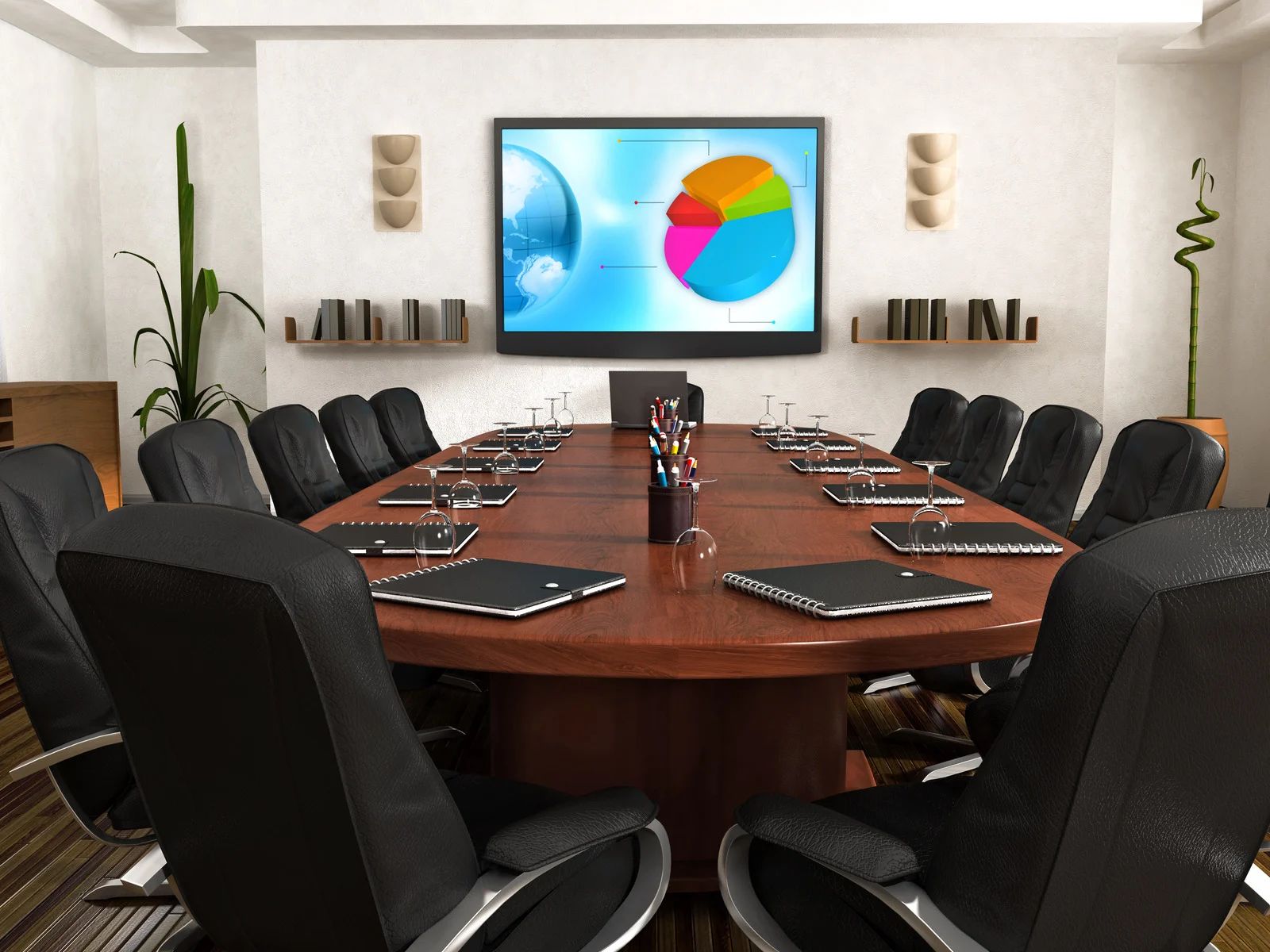
A training center may require large displays, interactive touchscreens, and high-quality audio for live and recorded sessions. AV consultants integrate these systems with content management platforms, scheduling software, and cloud-based collaboration tools to deliver a seamless learning environment. Employees can participate in training sessions either on-site or remotely without disruptions, significantly improving engagement and knowledge retention.
4. Technology Selection and Vendor Management
Choosing the Right AV Solutions
Selecting AV equipment requires expertise to balance performance, reliability, and budget. AV consultants provide insights into which technologies best meet organizational needs, from video conferencing systems to networked audio solutions. They also consider vendor reputation, service agreements, and warranty coverage to ensure long-term reliability.
Vendor Coordination and Procurement
AV consultants serve as intermediaries between businesses and technology vendors. They manage procurement, negotiate pricing, and coordinate delivery and installation schedules. This ensures projects are completed on time, within budget, and to the desired quality standard.
Example: Enterprise-Wide AV Rollout
A global enterprise looking to standardize AV systems across multiple offices can rely on AV consulting to streamline vendor management. The consultant evaluates proposals, coordinates equipment shipment, oversees installation, and ensures all locations meet performance standards, saving time and reducing administrative complexity.
5. User Training and Change Management
Ensuring Staff Adoption
Even the most advanced AV systems are ineffective if employees are unfamiliar or uncomfortable using them. AV consultants provide training programs to ensure staff can confidently operate new systems. This includes tutorials on video conferencing tools, room controls, digital signage management, and troubleshooting procedures.
Promoting Change Management
Introducing new technology often requires cultural and workflow adjustments. Consultants assist with change management strategies, helping teams understand the benefits of new AV systems, encouraging adoption, and addressing resistance. Effective change management leads to higher productivity, better collaboration, and improved employee satisfaction.
Practical Example: Interactive Meeting Rooms
When a company introduces interactive displays in meeting rooms, AV consultants conduct hands-on training sessions for staff, demonstrating features like screen sharing, annotation, and remote access. With proper guidance, employees adopt the technology quickly, maximizing its impact on daily operations.
6. Maintenance, Support, and Future-Proofing
Ongoing Maintenance and Support
AV systems require regular maintenance to ensure optimal performance. Consultants provide recommendations for preventive maintenance, system updates, and troubleshooting protocols. This proactive approach minimizes downtime and extends the life of AV investments.
Scalability and Future-Proofing
Business technology needs evolve rapidly. AV consulting considers future expansion, integration with emerging technologies, and adaptability to changing workflows. Consultants recommend scalable solutions that can grow with the organization, such as modular audio systems, cloud-based video platforms, and flexible display configurations.
Scenario: Corporate Headquarters Expansion
When a company expands its headquarters, AV consultants design modular systems that can accommodate additional conference rooms, collaboration spaces, and executive offices without significant overhauls. Future-proofing ensures that technology remains relevant and cost-effective over time.
7. Measuring AV System Performance and ROI
Tracking Key Performance Indicators (KPIs)
Businesses can measure AV system effectiveness through metrics such as meeting efficiency, employee adoption rates, and engagement levels. Additional indicators may include system uptime, frequency of usage, and feedback from end-users, providing a more comprehensive view of the technology’s impact on daily operations.
Assessing Return on Investment
Organizations can quantify the financial and operational benefits of AV investments through methods like calculating reduced travel costs, increased collaboration efficiency, and time saved in decision-making processes. Including qualitative benefits, such as improved team communication and client satisfaction, provides a fuller picture of ROI and supports long-term strategic planning.
Real-World Example
A multinational firm implemented AV consulting to integrate analytics tools into their conference rooms, enabling them to monitor room utilization, track meeting outcomes, and optimize scheduling. This data-driven approach helped justify technology expenditures while demonstrating measurable improvements in collaboration efficiency and operational cost savings.
8. Security and Compliance in AV Deployments
Protecting Sensitive Information
Secure AV systems are crucial for protecting confidential meeting content, training sessions, and shared multimedia files. Beyond encryption and access control, businesses should consider multi-factor authentication and secure cloud storage to safeguard sensitive information against potential breaches.
Regulatory Compliance
Industries such as healthcare, finance, and government face strict regulatory requirements when deploying AV technology, including HIPAA, GDPR, and other data privacy standards. Ensuring AV systems comply with these regulations not only avoids legal penalties but also reinforces trust with clients, employees, and stakeholders.
Best Practices
Integrating AV solutions with existing IT security policies and conducting regular system audits are essential steps for maintaining a secure environment. Additional measures like staff training, firmware updates, and incident response planning further strengthen security and compliance while minimizing operational risks.
Transforming Business Operations Through AV Consulting Expertise
The role of AV consulting in business technology solutions is pivotal. From initial planning and system design to vendor coordination, user training, and ongoing support, AV consultants ensure that organizations implement technology that enhances collaboration, efficiency, and operational excellence. Businesses that leverage professional AV consulting experience smoother integration, improved user adoption, and scalable systems ready to meet evolving demands.
Audio Video Exclusives, based in Seattle, WA, has over 35
years of experience delivering exceptional AV consulting and integration services. Our team works closely with organizations to design and implement tailored solutions that align with strategic objectives and future growth. From advanced conference room systems to large-scale enterprise deployments, we provide expert guidance at every stage, ensuring technology investments deliver maximum value. With decades of experience, industry expertise, and a commitment to excellence, Audio Video Exclusives
is a trusted partner for businesses seeking seamless, efficient, and future-ready
AV solutions. We take pride in transforming complex technology challenges into user-friendly systems that empower teams and enhance operational productivity.